
Enhancing language acquisition through engaging and enjoyable activities is key to effective teaching.
In this article, we explore a variety of dynamic classroom techniques aimed at making a level chinese tuition the process of learning Chinese both fun and impactful.
From incorporating music and culinary experiences to fostering cultural exchange through role-playing and interactive games, educators will discover innovative ways to create an immersive and stimulating environment for language development.
Join us as we delve into the realm of interactive and effective Chinese language instruction.
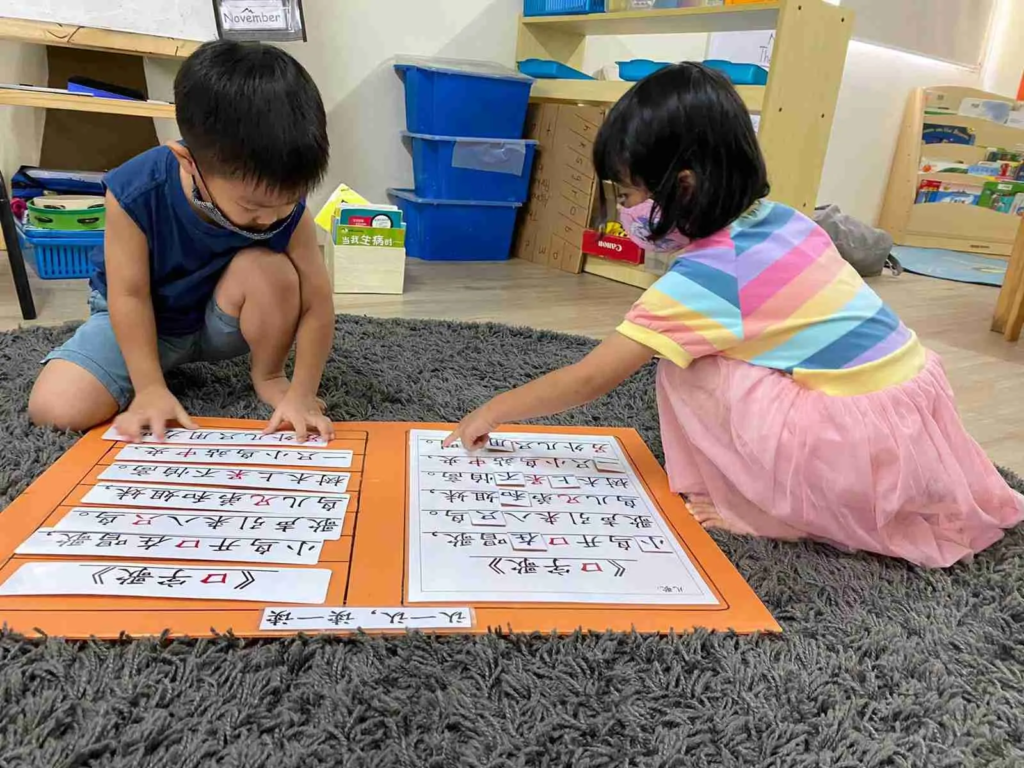
Language Learning Through Music
How can Chinese language proficiency be enhanced through the strategic incorporation of music in classroom activities?
Music offers a dynamic tool for language learning, especially in the case of tonal languages like Chinese. By integrating music into classroom activities, students can improve pronunciation, vocabulary retention, and overall comprehension. Melodies and rhythms help learners internalize tones and cadences, making language acquisition more intuitive and enjoyable.
Songs also provide cultural context, exposing students to idiomatic expressions and linguistic nuances. Furthermore, music engages multiple senseshttps://www.yanzimandarin.com/, enhancing memory and cognitive processing.
In essence, utilizing music in Chinese language instruction not only enriches the educational experience but also accelerates linguistic proficiency, offering students the freedom to explore and embrace a new language with creativity and enthusiasm.
Cultural Exchange Through Cooking
Incorporating culinary experiences into Chinese language instruction fosters cultural exchange and enriches students’ understanding of both language and cuisine. Through cooking traditional Chinese dishes, students not only learn vocabulary related to ingredients and cooking techniques but also gain insights into Chinese culinary customs and traditions. Cooking together creates a shared experience that encourages communication in Chinese, reinforcing language skills in a practical and enjoyable way.
Moreover, preparing and sharing meals allows students to appreciate the cultural significance of food in Chinese society, deepening their connection to the language and its native speakers. This interactive approach not only enhances language learning but also promotes cross-cultural understanding and appreciation.
Role-Playing for Practical Application
Utilizing role-playing scenarios provides practical application for students learning Chinese in the classroom setting.
By engaging in role-playing activities, students can apply vocabulary, practice sentence structures, and improve their conversational skills in a dynamic and interactive way.
Role-playing allows students to simulate real-life situations, such as ordering food in a restaurant or negotiating a price at a market, which enhances their language proficiency and cultural understanding.
Moreover, this approach fosters creativity, boosts confidence, and encourages active participation among learners.
Through role-playing, students can experience firsthand the nuances of the Chinese language, enabling them to communicate more effectively in authentic contexts.
This hands-on method not only makes learning enjoyable but also equips students with valuable skills for real-world interactions.

Interactive Vocabulary Games
One effective way to reinforce Chinese vocabulary in the classroom is through a variety of interactive games. These games not only make learning engaging but also help students retain new words more effectively.
Word association games, vocabulary bingo, and charades are popular choices that encourage active participation and make learning vocabulary enjoyable. By incorporating interactive vocabulary games into lessons, teachers can create a dynamic and immersive learning environment where students can practice and reinforce their Chinese language skills in a fun and stimulating way.
These games promote student engagement, foster collaboration, and enhance retention of vocabulary, making the learning process more enjoyable and effective for students who desire a more interactive approach to language learning.
Storytelling and Creative Writing
To further enhance Chinese language proficiency in the classroom, students can benefit from engaging in storytelling and creative writing activities that encourage language application and imagination. Storytelling allows students the freedom to express themselves creatively, using Chinese vocabulary and grammar in a more organic and memorable way.
Encouraging students to write their own stories in Chinese not only reinforces language skills but also fosters a deeper understanding of cultural nuances and context. By creating characters, settings, and plots in Chinese, students develop a stronger connection to the language and are more likely to retain what they have learned.
These activities provide an enjoyable and effective way for students to practice their Chinese language skills while honing their creativity and linguistic abilities.
Conclusion
In conclusion, incorporating fun classroom activities such as language learning through music, cultural exchange through cooking, role-playing for practical application, interactive vocabulary games, and storytelling can effectively teach Chinese.
These activities not only engage students but also help them retain information better and apply their knowledge in real-life situations.
By making the learning process enjoyable and interactive, students are more likely to stay motivated and enthusiastic about learning Chinese. Audience_Personality=Explorer, Style=Auto_Style, Use_H3, Active_Voice, Conclusion, 5_Subheadings_is_Mere_Recommendation
@ Midjourney AI Image Prompt: /imagine prompt:Create an image of a futuristic classroom with students wearing VR headsets, interacting with AI-powered language learning programs. Show Chinese characters floating in the air, morphing and transforming as they learn. –v 5.2 –ar 16:9
@ Meta Description: Discover how AI is revolutionizing Chinese language learning. Enhance your skills and fluency like never before with these innovative tools.
How AI Transforms Chinese Language Learning Experiences
In the realm of Chinese language acquisition, artificial intelligence is revolutionizing the educational landscape. By integrating advanced technologies into language learning platforms, learners now benefit from personalized feedback, interactive conversational AI tutors, immersive practice environments, and adaptive learning paths.
This article explores how AI is reshaping the Chinese language learning experience, offering learners a dynamic and tailored approach to mastering this intricate language.
Enhanced Language Learning Platforms
Enhanced language learning platforms utilize artificial intelligence to provide personalized and interactive Chinese language learning experiences. By leveraging AI algorithms, these platforms analyze individual learning patterns and preferences to tailor lessons that suit each user’s unique needs.
Through interactive exercises, real-time feedback, and adaptive curriculum adjustments, learners can engage with the material actively, fostering a deeper understanding of the Chinese language. Additionally, these platforms offer flexibility and convenience, allowing users the freedom to study at their own pace and schedule.
With features like speech recognition technology and language proficiency assessments, learners can track their progress and identify areas for improvement, promoting a more efficient and effective learning experience. Ultimately, enhanced language learning platforms empower individuals to take control of their Chinese language learning journey.
Personalized Feedback and Assessment
Personalized feedback and assessment in AI-driven Chinese language learning platforms play a crucial role in individualizing learning experiences for users. By leveraging artificial intelligence, these platforms analyze each user’s performance data to provide tailored feedback on areas that require improvement. This personalized approach allows learners the freedom to focus on their specific weaknesses, making the learning process more efficient and effective.
Additionally, AI-powered assessment tools can track progress over time, offering insights into the user’s development and suggesting personalized learning paths. Through personalized feedback and assessment, AI transforms Chinese language learning into a dynamic and adaptive experience, catering to the unique needs and preferences of each individual user.
Conversational AI Tutors
The integration of Conversational AI Tutors in AI-driven Chinese language learning platforms revolutionizes interactive language practice for users. These advanced AI tutors provide learners with the freedom to engage in realistic conversations, improving fluency and communication skills.
Through interactive dialogues, pronunciation guidance, and instant feedback, users can practice speaking Chinese naturally and confidently. Conversational AI Tutors adapt to individual learning styles and pace, offering personalized assistance without judgment.
Students can explore various topics, ask questions, and receive immediate responses, creating an immersive language learning experience. This innovative approach enhances user engagement, motivation, and retention, making the journey to mastering Chinese more enjoyable and effective.
Immersive Language Practice
One key benefit of immersive language practice in AI-driven Chinese language learning platforms is the realistic simulation of authentic communication scenarios. This feature allows learners the freedom to engage in practical conversations, enhancing their fluency and confidence in using the language.
By immersing users in lifelike dialogues, these platforms create a dynamic learning environment where individuals can apply their knowledge in real-time interactions. Additionally, the interactive nature of immersive language practice fosters a sense of cultural understanding and adaptability, preparing learners for diverse communication contexts.
Through AI technology, learners can actively participate in conversations, receive instant feedback, and improve their language skills effectively. This immersive experience contributes significantly to a more engaging and personalized Chinese language learning journey.
Adaptive Learning Paths
Building on the immersive language practice, AI-driven Chinese language learning platforms offer learners tailored adaptive learning paths that cater to their individual proficiency levels and learning styles. These adaptive learning paths leverage AI algorithms to analyze learners’ performance data and provide personalized recommendations on what to study next, ensuring that each learner progresses at their own pace.
By adapting the learning content and pace to suit individual needs, AI enables a more efficient and effective learning experience. Learners have the freedom to focus on areas where they need improvement, ultimately enhancing their language skills in a way that is engaging and tailored specifically to them.
This personalized approach to learning through adaptive paths enhances the overall Chinese language learning journey for each individual.
Conclusion
In conclusion, the integration of AI technology in Chinese language learning has revolutionized the way students interact with the language. Enhanced platforms provide personalized feedback and assessment, conversational AI tutors offer interactive learning experiences, and immersive practice opportunities help students master the language.
With adaptive learning paths, students can progress at their own pace and focus on areas that need improvement. Overall, AI has significantly transformed Chinese language learning experiences for learners worldwide.